This week, ProPublica and FRONTLINE launched a timely two-part feature that takes viewers inside the experiences of Venezuelan immigrants in the U.S., sharing powerful and harrowing firsthand accounts of how their lives have been transformed and the fears they continue to have about their futures.
For months, Venezuela and its citizens have been at the center of President Donald Trump’s sweeping immigration crackdown.
Nearly a million Venezuelans fled to the U.S. to escape their country’s political and economic turmoil and were granted temporary status under the Biden administration. But amid Trump’s crackdown, and as tensions between the U.S. and Venezuela intensify, that status is now clouded with uncertainty.
In February, the administration deported more than 230 men to CECOT, a maximum-security prison in El Salvador notorious for its brutal conditions. And in the last few months, more than 500,000 Venezuelans living in the U.S. legally have lost their status.
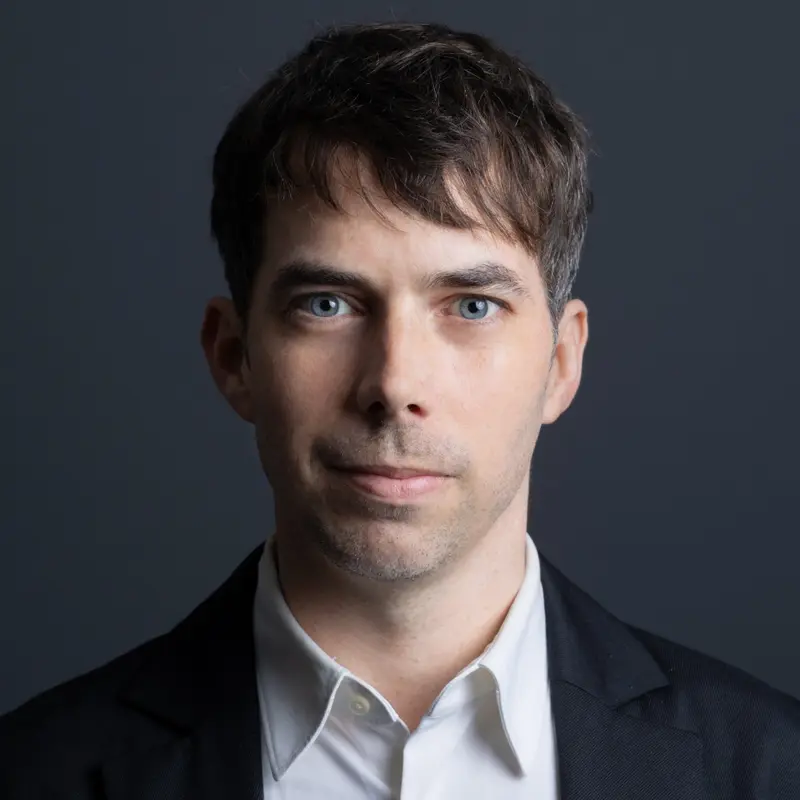
In “Status: Venezuelan,” a new ProPublica production, award-winning visual journalist and filmmaker Mauricio Rodríguez Pons follows a Venezuelan family in Florida trying to stay together — and stay in the U.S. legally — as they navigate rapidly shifting immigration policy decisions. Earlier this year, “Status: Venezuelan” premiered at Double Exposure Film Festival.
The film, set in and around Doral, Florida, home to the largest Venezuelan diaspora in the U.S., follows Yineska, a Venezuelan mother who had been living in the United States for nearly two years, and her family as their hopes and fears rise and fall with the changes to their immigration status and their efforts to find ways to avoid deportation back to the country they fled. “How do you start from scratch with a situation like this?” Yineska says. “We are afraid of what might happen there when we arrive.”
To Rodríguez Pons, Yineska and her family represent the many Venezuelans who’ve come to the U.S. seeking safety and opportunity — and, in many ways, his own immigration story.
In the second part of the feature that aired during a television broadcast on Dec. 9, ProPublica and FRONTLINE premiered “Surviving CECOT.” The short piece tells the story of three Venezuelan men — Juan José Ramos Ramos, Andry Blanco Bonilla and Wilmer Vega Sandia — who were branded by the U.S. government as Tren de Aragua gang members and deported by the Trump administration to CECOT. All three men said they had no connection to Tren de Aragua and were not gang members, and in U.S. government data ProPublica obtained, none was flagged as having a criminal conviction or pending charges. Both “Status: Venezuelan” and “Surviving CECOT” are a part of FRONTLINE and ProPublica’s ongoing multiplatform, joint reporting on the Trump administration’s immigration policy changes and actions and their impact. The collaborative reporting also includes text stories and a long-form documentary set to air in 2026.
Where and how to watch “Status: Venezuelan”
“Status: Venezuelan” is available to watch on ProPublica’s YouTube channels, pbs.org/frontline, in the PBS App and on the PBS Documentaries Prime Video Channel.
Credits
“Status: Venezuelan” is a ProPublica production for FRONTLINE FEATURES and is released in collaboration with Univision and Venezuelan journalist Luis Olavarrieta. It is filmed, produced and directed by Mauricio Rodríguez Pons. The editor-in-chief of ProPublica is Stephen Engelberg, and Almudena Toral is ProPublica’s executive producer. The editor-in-chief and executive producer of FRONTLINE is Raney Aronson-Rath.
“Surviving CECOT” is a ProPublica production for FRONTLINE in association with Alianza Rebelde Investiga, Cazadores de Fake News and The Texas Tribune. The producer is Gerardo del Valle. The senior producer of “Surviving CECOT” is Frank Koughan. Almudena Toral is ProPublica’s executive producer, and ProPublica’s editor-in-chief is Stephen Engelberg. The editor-in-chief and executive producer of FRONTLINE is Raney Aronson-Rath.